
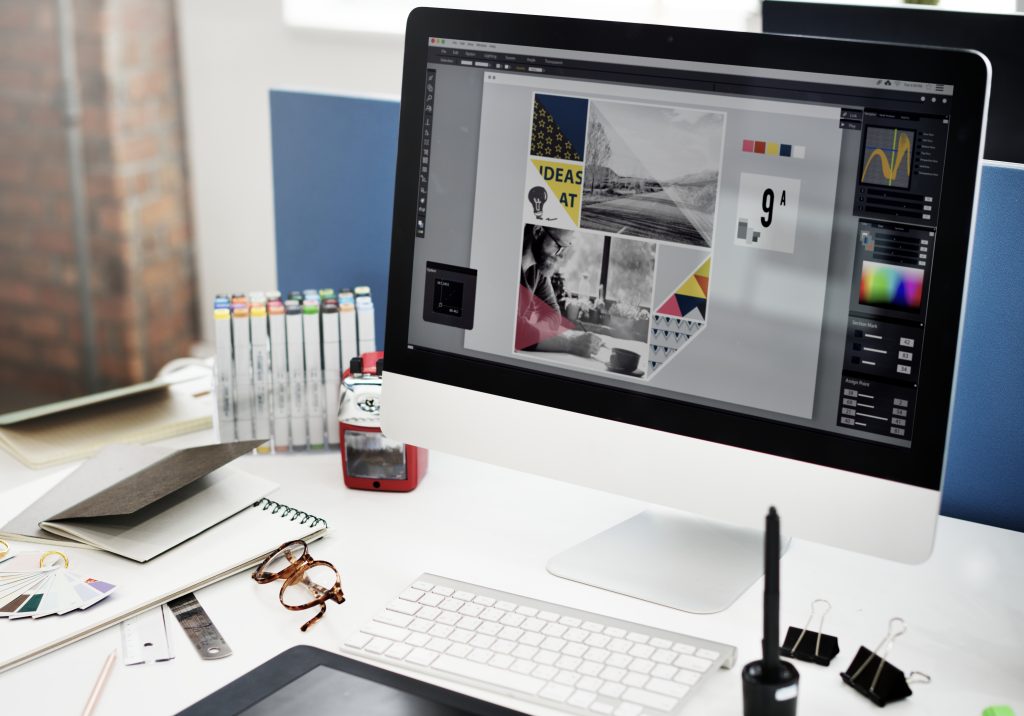
Web Design Trends You Don’t Want to Ignore in 2026
Web visitors are sharper than ever. They form opinions about your website in seconds. And in a world where nearly every purchasing decision begins online, your design matters more than you think.
Research continues to show that consumers research businesses before making a purchase. That means your website is often your first impression, your credibility marker, and your conversion tool all at once.
Keeping up with evolving web design trends is not about chasing fads. It is about protecting your brand, maintaining trust, and staying competitive in an increasingly digital marketplace.
Let’s break down the most important web design trends shaping modern websites right now.
1. AI-Powered Features and Smart Chat Integration
One of the fastest-growing web design trends is the integration of AI-powered chat tools.
Modern chatbots are no longer robotic and frustrating. Today’s AI chat systems:
-
Provide real-time support
-
Guide users through products or services
-
Capture leads automatically
-
Answer common questions instantly
This enhances user experience while improving lead generation. Smart chat tools can collect email addresses, identify customer intent, and even recommend services.
As artificial intelligence continues to evolve, AI-assisted user interaction is becoming a standard feature in forward-thinking web design trends.
2. Minimalism and the Decline of Clutter
Another major shift in web design trends is the move away from cluttered layouts.
Sidebars, excessive widgets, and overloaded pages are disappearing. Modern websites prioritize:
-
Clean layouts
-
Strong white space
-
Focused calls to action
-
Streamlined navigation
With mobile usage dominating web traffic, simplicity improves usability. Fewer distractions mean clearer messaging and better conversion rates.
Minimalism is not about removing personality. It is about removing friction.
3. Design for Every Device, Not Just Mobile
Responsive design is no longer optional. But modern web design trends go even further.
It is no longer enough to be “mobile-friendly.” Websites must function seamlessly across:
-
Smartphones
-
Tablets
-
Desktops
-
Large monitors
-
Older browsers
-
Emerging devices
This is where concepts like progressive enhancement and graceful degradation come into play. A strong website ensures that core content and functionality work across devices, regardless of technology limitations.
Future-ready web design trends focus on accessibility, compatibility, and performance for every user.
4. Bold Typography and Brand Expression
Typography is becoming a defining element in modern web design trends.
Brands are embracing:
-
Custom fonts
-
Large, expressive headlines
-
Unique type pairings
-
Strong visual hierarchy
Bold typography creates personality and reinforces brand identity. With full browser support for web fonts and platforms like Google Fonts and Adobe Fonts, designers have more creative flexibility than ever.
Strategic typography does more than look good. It guides the eye, improves readability, and increases engagement.
5. Custom Illustrations and Lightweight Visuals
Photography still matters, but one of the fastest-growing web design trends is the use of custom illustrations and scalable vector graphics (SVGs).
Illustrations help brands:
-
Stand out from competitors
-
Maintain consistent visual identity
-
Improve load speed
-
Enhance storytelling
SVG files are lightweight and scalable, which improves site speed and overall performance. Faster websites rank better, perform better, and convert better.
Modern web design trends prioritize both creativity and technical efficiency.
6. Speed and Performance as Design Priorities
Website speed is no longer just a technical concern. It is a design trend.
Today’s users expect pages to load instantly. Slow sites increase bounce rates and damage credibility.
Modern web design trends incorporate:
-
Compressed image files
-
Clean code structure
-
Minimal plugin use
-
Performance testing
Design decisions directly impact performance. A visually stunning website that loads slowly will still lose visitors.
7. User Experience First
The strongest web design trends share one common theme: user experience.
Every design decision should answer one question:
Does this make it easier for the visitor to find what they need?
Clear navigation, strong calls to action, intuitive layouts, and accessible content create a frictionless experience. When usability improves, conversions improve.
Choosing Trends That Last
Not every design trend deserves adoption.
The key is understanding the difference between a passing visual fad and a sustainable web design trend that supports long-term growth.
Timeless web design trends focus on:
-
Usability
-
Speed
-
Accessibility
-
Branding consistency
-
Clear messaging
Websites that balance modern design with strategic functionality age far better than those chasing temporary aesthetics.
The Future of Web Design Trends
Web design trends continue to evolve alongside technology, user behavior, and search engine standards.
What remains constant is this: your website is a direct reflection of your brand.
If your site feels outdated, cluttered, or slow, visitors assume your business is too.
Staying informed about web design trends ensures your digital presence remains competitive, professional, and conversion-focused. Want to chat more? Contact us at Chatter Marketing to get started!
Author: Heather Berryhill