
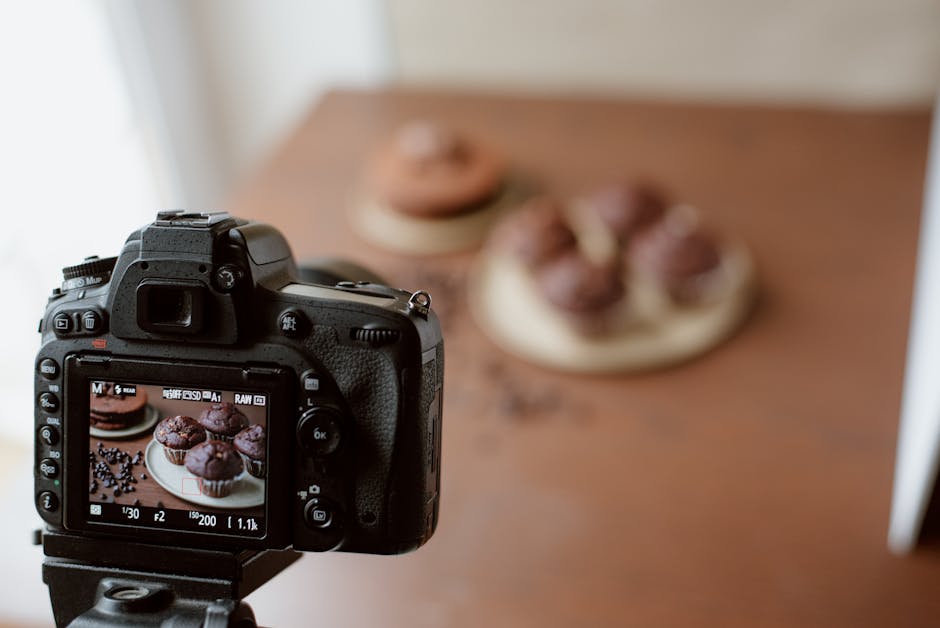
Why Food Photography Is Essential for Restaurants and Brands
Ever notice how some dishes instantly make you hungry online?
That is not an accident. That is the power of strategic food photography.
In today’s digital world, customers eat with their eyes first. Before they visit your restaurant, place an order, or book a reservation, they see your food on Instagram, your website, Google, or delivery apps. If your visuals are weak, blurry, or poorly lit, you are losing business before the conversation even starts.
Let’s break down why food photography matters and how to use it to elevate your brand.
Why Food Photography Matters in Digital Marketing
Strong food photography is not just about making a dish look pretty. It is about influencing decisions.
Studies consistently show that high-quality visuals increase engagement, click-through rates, and purchase intent. In the restaurant and hospitality industry, visuals often determine whether someone chooses you or your competitor.
Professional food photography helps you:
-
Increase online engagement
-
Improve website conversion rates
-
Strengthen your brand perception
-
Enhance social media performance
-
Stand out on delivery platforms
When someone scrolls through options, your food photography is your first impression. If it looks fresh, vibrant, and thoughtfully styled, customers assume the experience will match.
The Foundations of Effective Food Photography
1. Lighting Is Everything
Lighting can make or break food photography.
Natural light is often best because it highlights texture and color accurately. Position dishes near a window and avoid harsh direct sunlight. Soft, indirect light creates dimension and makes food appear fresh and appetizing.
Artificial lighting can work well too, but it requires intention. Balanced lighting ensures your food does not look flat, overly yellow, or washed out.
2. Composition That Draws the Eye
Great food photography guides the viewer’s attention.
Consider:
-
Overhead shots for flat lays
-
45-degree angles for plated dishes
-
Close-ups for texture and detail
Use negative space intentionally. Avoid clutter. Every element in the frame should support the story of the dish.
Composition transforms food photography from a snapshot into a strategic visual asset.
3. Texture and Detail Sell the Experience
The difference between average and exceptional food photography often comes down to detail.
Capture:
-
Steam rising from a hot entrée
-
A glossy drizzle of sauce
-
A crisp crust breaking open
-
Fresh herbs placed intentionally
These small details trigger sensory responses. They help viewers imagine taste, smell, and texture. That emotional connection increases the likelihood of action.
Equipment for Professional Food Photography
You do not always need a studio to achieve strong food photography.
Modern smartphones can produce impressive results when used correctly. However, for consistent brand-level content, professional cameras and lenses elevate quality significantly.
Helpful tools include:
-
A DSLR or mirrorless camera
-
A macro lens for close-up texture shots
-
A tripod for stability
-
Reflectors to control shadows
-
Neutral backgrounds for versatility
Consistency in food photography strengthens brand identity across platforms.
Using Food Photography to Drive Business Growth
Capturing strong food photography is only half the strategy. Leveraging it properly is what drives results.
Website Optimization
High-quality food photography increases time on site and reduces bounce rates. Menu pages, landing pages, and featured dishes should highlight your strongest visuals.
Social Media Strategy
Platforms like Instagram, Facebook, and Pinterest are visually driven. Strategic food photography improves reach, shares, and saves.
Pair your visuals with storytelling:
-
Share the origin of a dish
-
Highlight seasonal ingredients
-
Introduce the chef behind the plate
Engagement grows when visuals and narrative work together.
Google and Delivery Platforms
Your food photography appears on:
-
Google Business Profiles
-
Uber Eats
-
DoorDash
-
Yelp
If your images are outdated or low quality, customers may skip your listing entirely.
Food Photography and Brand Perception
Food photography communicates more than flavor. It communicates quality.
Clean, bright, consistent visuals signal professionalism. Dark, grainy, inconsistent photos suggest the opposite.
For restaurants, bakeries, catering companies, coffee shops, and food brands, food photography becomes part of brand identity. It shapes how customers perceive your pricing, atmosphere, and credibility.
Elevate Your Brand Through Strategic Food Photography
Food photography is not just about taking better pictures. It is about creating visual content that converts.
When done strategically, food photography:
-
Builds trust
-
Drives engagement
-
Increases reservations and orders
-
Strengthens your digital presence
-
Differentiates you from competitors
If your food deserves attention, your visuals should match its quality.
If your food looks incredible in person, it should look just as powerful online. Let’s create food photography that stops the scroll and fills your tables. Contact Chatter Marketing to get started today.
Author: Heather Berryhill